Click and collect
1h en magasin

Livraison offerte dès 80€

Retours gratuit jusqu’à 30j

Paiements sécurisés
Livraison offerte dès 80€
Retours gratuit jusqu’à 30j
Paiements sécurisés
Livraison offerte dès 80€
Retours gratuit jusqu’à 30j
Paiements sécurisés
Encore 80€ pour bénéficier de la livraison gratuite.
Whoa! I was noodling on this the other night while half-watching a game, and somethin’ clicked. DeFi is booming, NFTs are everywhere, and yield farming promises returns that make people giddy. But here’s the thing. Without wallets that balance accessibility and strong security, most of that promise is just vapor—beautiful, hyped vapor that can disappear in a bad transaction or a compromised seed phrase.
Seriously? Yeah. My first crypto wallet felt like carrying cash in a crowded subway. It worked, often, but it also left me twitchy. Initially I thought hardware wallets were overkill, but then I saw a friend lose five figures to a phishing site and—well—my instinct changed fast. On one hand convenience matters; on the other hand you can’t trade safety for speed, though actually the best solutions try to blend both.
Really? Wait—let me rephrase that. DeFi protocols and NFT marketplaces are rapidly evolving, and so are the attack vectors that prey on naive users. Hmm… some interfaces are friendly, but the back end often assumes users know nerdy stuff they don’t. This gap is where wallet UX and security should meet, and where product teams usually stumble because they either over-engineer or under-protect.
Here’s the thing. Wallets today must be interoperable across EVM chains, Layer 2s, and niche ecosystems that host beloved NFT projects. They must also allow composability—so users can plug into lending, liquidity pools, staking vaults, and yield aggregators with minimal friction. Longer-term thinking matters here because a single poor approval flow can expose a portfolio to infinite-spend exploits, which is a nightmare for casual holders. I’m biased—I’ve used a dozen wallets—so I notice when designs ignore the human element.
Check this out—wallets that do DeFi well have clear approval management, transaction previews, and gas control. Shortcuts are dangerous, though; too many options can confuse people. One of the real surprises is how often a simple UX tweak stops a mistake that would have been catastrophic. Actually, wait—small things matter more than flashy features, and developers don’t always seem to get that.

Okay, so NFTs changed the game by making provenance and ownership intuitive for collectors and creators alike. Wow! But the NFT flow often encourages a rapid « connect wallet » habit that becomes dangerous when combined with malicious contracts. Initially I thought smart contracts would educate users, but they don’t—the interfaces do; user education only goes so far. On the road to mass adoption, wallets must signal risk without scaring people off, which is a delicate design challenge when you juggle gas fees and mint deadlines.
Here’s a real example: a new mint page that auto-triggers an approval for the entire collection instead of a single token. People click fast to secure a drop. My gut said something felt off when I first saw that pattern. On the surface it’s convenient; though actually it grants sweeping permissions that can be exploited later. A wallet that intercepts the approval and asks a simple, plain-English question— »Do you want one-time access or permanent approval? »—reduces risk dramatically.
Whoa! People underestimate the power of defaults. Medium defaults steer behavior, and wallets set the defaults for millions. Designers should assume users won’t read long warnings; instead, they should create micro-interactions that nudge safer choices. Longer explanations can live behind an optional « Why this matters » link for curious folks, but the default path should favor safety. I’m not 100% sure of the perfect wording, but the idea stands.
Yield farming throws another wrinkle into the mix since it encourages complex, multi-step transactions across protocols. Really? Yes. Yield strategies often require approvals, swaps, and staking steps, each with its own risk profile. My instinct said automation would simplify life, and vaults do that—yet automation amplifies mistakes when misconfigured. On one hand automated vaults abstract away complexity, though on the other hand they concentrate trust, which is why careful auditing and transparent multisig arrangements remain essential.
Here’s what bugs me about many yield interfaces: they hide fee mechanics and slippage math in thin fonts and tiny numbers. That’s not an accident; it’s poor design. Medium-level transparency—like showing expected APR ranges, historic volatility, and a simple explanation of impermanent loss—helps users make informed choices. Also, tools that let you simulate outcomes before committing can turn a speculative gamble into a managed decision, which matters for long-term confidence.
Hmm… a few features I’ve seen that genuinely move the needle are: granular approval controls, session-based permissions, dual-signer flows for large moves, and in-app risk scoring of smart contracts. Really? Yes, these work. Short-term speed isn’t worth losing long-term trust. Longer-term, wallets should include portfolio health dashboards that flag risky token concentrations and show gas optimization tips.
Okay, so check this out—there are wallets that combine mobile convenience with hardware-level security by pairing with a secure element or a detachably signed device. That design allows users to transact quickly while keeping key material offline. I’m biased, but in my experience this is the sweet spot for everyday collectors and active DeFi users alike. (oh, and by the way…) usability studies show adoption goes up when people feel both safe and not overwhelmed.
Now, if you want a practical next step as a user: use a wallet that supports clear permission revocation and has an easy backup recovery phrase flow that walks you through risks in normal language. Wow! I link here not to shill, but because the following resource helped an acquaintance who was new to wallets: safepal official site. They offer options that make these trade-offs visible, and that matters when you care about both security and access.
Actually, wait—let me add nuance. Hardware-first approaches are great until they aren’t: lost devices, corrupted backups, or social-engineered recovery trickery can still hurt users. So redundancy and clear recovery rehearsals help. On balance, a layered approach—device-based signing, app-level UX checks, and optional custodial fallback for certain low-value operations—covers most user needs without forcing a single dogma.
Start with one that offers clear approval screens, straightforward backup instructions, and active community support. Try small transactions first. If you plan to hold significant value, pair the app with a hardware device or a secure element and practice recovery steps before moving funds.
They can be, but returns often come with hidden costs like impermanent loss, smart contract risk, and rug-pulls. Diversify, use audited strategies, and never invest more than you can afford to lose. Tools that simulate outcomes and show historical behavior help you set realistic expectations.
Look for granular permission revocation, session-based approvals, transaction previews that explain each step plainly, and easy-to-use recovery workflows. Bonus points for multisig or social recovery options if you hold more than casual amounts.
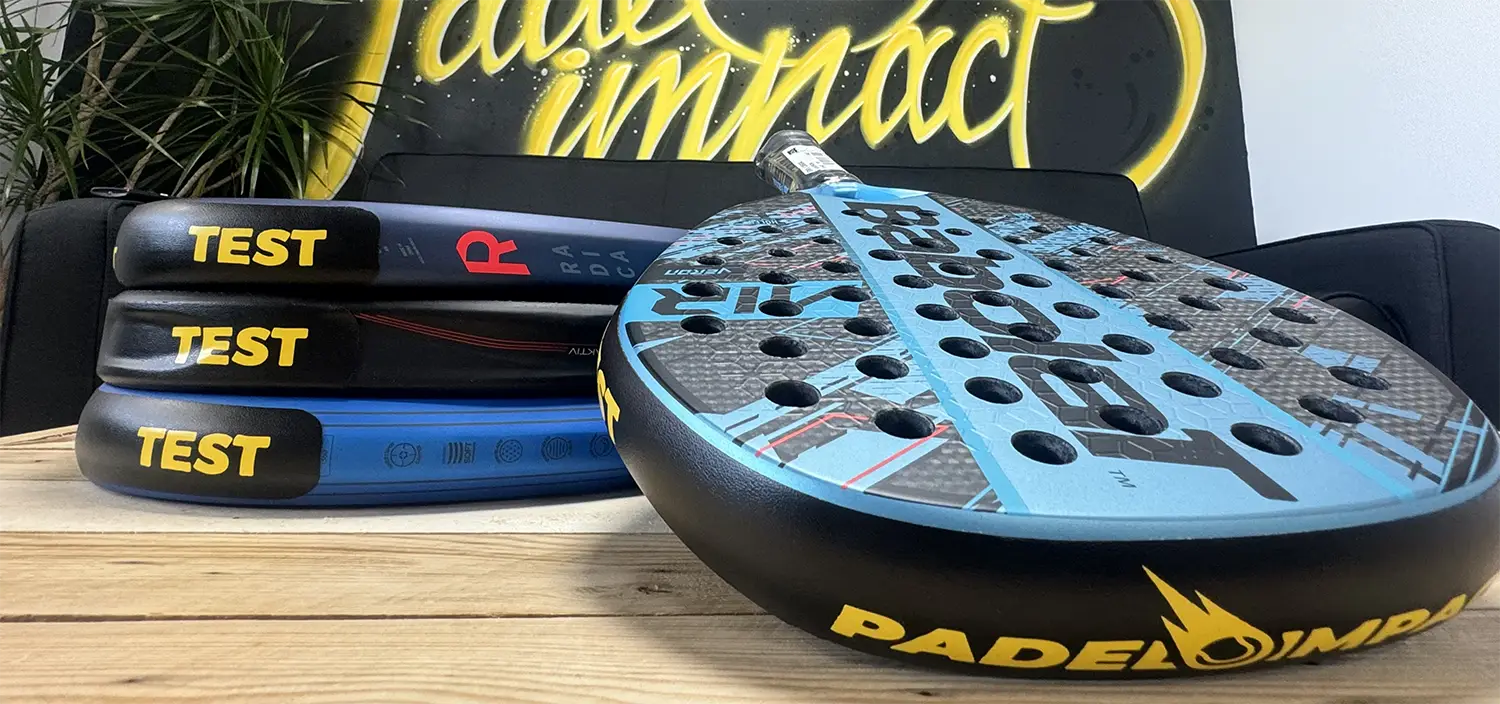
Test de raquette gratuit* !


*10€ le test, déduis du prix de la raquette au moment de l'achat. Test de raquette disponible uniquement en boutique.

1h en magasin
à partir de 80€
jusqu’à 30 jours